A Kenya safari is closer to Amsterdam than most first-time travelers expect. Schiphol to Nairobi is a direct overnight flight covering roughly 6,800 km, about 8.5 hours in the air. The time difference is only one or two hours depending on the season. As a result, jet lag barely factors into the trip, an unusual trait for a long-haul safari.
This guide covers what actually changes the planning for a Dutch traveler. That means the visa process, flight routing, and the food you will realistically eat. It also covers cultural habits worth knowing before you land. A packing list built for Kenya’s dry-season dust and cold early mornings rounds out the guide. Touring Insights put together the numbers here so you can plan with real figures instead of guesswork.
Do Dutch Citizens Need a Visa for Kenya?
Yes. Kenya requires an Electronic Travel Authorization (eTA) for almost all visitors, including Dutch passport holders. The country moved away from visa-on-arrival and standard e-visas in 2024. You apply online through the official Kenya eTA portal before you travel, not at the airport.
The eTA costs around USD 30 per applicant and is generally processed within a few days. Apply at least a week before departure to leave room for delays. Save a copy on your phone and print one as backup. Immigration staff at Jomo Kenyatta International Airport may ask to see it alongside your passport.
Flights From the Netherlands to Kenya: Routes and Timing
Amsterdam Schiphol is the main direct link. KLM flies nonstop to Nairobi’s Jomo Kenyatta International Airport (NBO) most nights of the week. Kenya Airways operates the same route in the opposite direction. Flight time runs about 8.5 hours nonstop. Travelers from Rotterdam or Eindhoven usually connect through Schiphol. That adds an hour or two of ground transfer before the long-haul leg.
Book your Nairobi arrival with at least a 3-hour buffer before any onward domestic flight to a safari airstrip. Immigration queues at JKIA can run long even with an approved eTA. Safari camps schedule airstrip transfers tightly around specific flight windows. A missed connection can then mean a night in Nairobi instead of camp.
| Route | Approx. Distance | Typical Flight Time | Common Carriers |
|---|---|---|---|
| Amsterdam to Nairobi (direct) | 6,800 km | 8.5 hours | KLM, Kenya Airways |
| Rotterdam/Eindhoven to Nairobi (1 stop via Schiphol) | 6,850 km | 10-11 hours | KLM |
| Nairobi (Wilson Airport) to Masai Mara | 250 km | 45 minutes by air | Safarilink, AirKenya |
| Nairobi to Amboseli | 240 km | 35-40 minutes by air | Safarilink, AirKenya |
Best Time for a Kenya Safari From a Dutch Winter or Summer
The Netherlands’ winter, December through February, overlaps with Kenya’s short dry season across the Masai Mara and Amboseli. Days run warm and sunny, grass is short, and animals cluster near water sources. It is a solid window for travelers escaping grey Dutch winter skies and for first-time wildlife viewing.
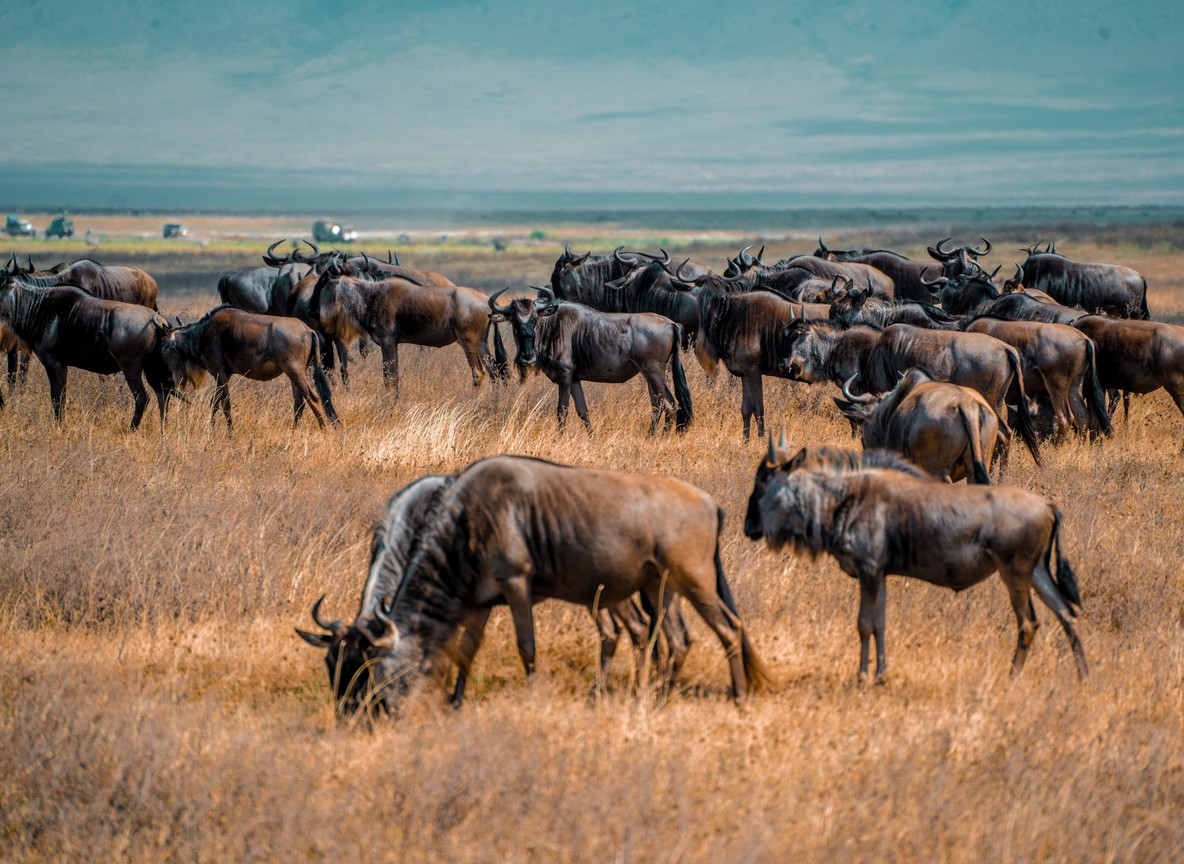
July through September matches Kenya’s long dry season and the wildebeest migration‘s river crossings in the Masai Mara. Dutch school summer holidays fall during this window too. It is peak season, so camps book out months ahead and room rates climb. April through May is Kenya’s long rains. Prices drop noticeably, but roads get muddier and some remote conservancy camps close briefly for the season.
What a Kenya Safari Costs in Euros
Safari pricing is quoted in US dollars industry-wide. Dutch travelers should budget with a EUR/USD buffer for exchange rate movement. A mid-range safari with quality tented camps typically runs USD 350-550 per person per night. That rate is all-inclusive of meals, game drives, and park fees. Budget camps start around USD 150-250 per night, while luxury lodges can run USD 700 and above.
Park entry fees are a separate line item first-time planners often underestimate. The Masai Mara National Reserve charges non-resident adults USD 100 per day from January to June. That figure rises to USD 200 per day from July to December. Tickets are valid for a single 12-hour day, not 24 hours. Amboseli National Park charges USD 90 per day, and Tsavo East and West charge USD 80 per day for non-residents.
Food on Safari: What Dutch Travelers Actually Eat
Most mid-range and luxury camps serve a European-leaning buffet alongside Kenyan dishes. Dutch travelers rarely struggle with unfamiliar food unless they go looking for it. Breakfast typically includes eggs, bread, cold cuts, and fruit, close enough to a Dutch breakfast that little feels foreign. Dinner often mixes grilled meats, stews, and a vegetable course with one or two Kenyan specialties on offer.
Ugali, a stiff maize porridge, and nyama choma, grilled meat, are worth trying at least once. Both usually appear at camps that run a Kenyan-style dinner night. Bottled and filtered water is standard at every camp. As a result, tap water is not a concern once you are on safari. It is still worth avoiding tap water in budget Nairobi guesthouses before or after the safari leg.
Culture and Etiquette Worth Knowing Before You Land
Kenyans are direct and warm in conversation. Greetings matter more than Dutch travelers might expect from their own famously blunt communication style. Take a few extra seconds to say hello and ask how someone is doing. Do that before moving to a request or question. This applies with hotel staff and shop cashiers, not just people you know. Skipping the greeting can read as brusque.
Tipping is expected in the safari industry, unlike the Netherlands where service charges are usually built into the price. A common guideline is USD 15-20 per guest per day for a safari guide. Camp staff usually receive a smaller amount. Tips are usually collected through a shared box at most lodges rather than handed to individuals. Carry small USD bills, since exact change is not always available.
Photographing Maasai people or their villages without asking first is considered intrusive. Most camps near Maasai communities arrange a village visit with a small fee that goes directly to the community. That is the respectful way to experience it, rather than photographing from a vehicle window.
What to Pack for a Kenya Safari From the Netherlands
Kenya’s equatorial location means warm days and genuinely cold early mornings on game drives. That combination surprises Dutch travelers used to a flatter seasonal curve. Layers matter more than any single heavy item.
| Item | Why It Matters |
|---|---|
| Fleece or light down jacket | Dawn game drives in open vehicles run 12-18°C even in the dry season |
| Neutral-colored clothing (khaki, olive, tan) | Bright colors and pure white attract insects and stand out to wildlife |
| Broken-in walking shoes | Camps and airstrips involve walking on dust and gravel, not paved paths |
| Malaria prophylaxis | Most safari regions, including the Masai Mara, carry malaria risk |
| Universal power adapter | Kenya uses UK-style Type G sockets, not the Dutch Type C/F |
| Binoculars | Many camps have a pair to share, but your own means no waiting |
Kenya uses UK-style three-pin plugs, different from the Netherlands’ standard two-round-pin sockets. Pack a universal adapter rather than assume a camp will have a spare on hand.
Explorer Notes
A few details that make a real difference once you land. First, request an English-speaking guide explicitly when booking rather than assuming one is automatically assigned. Nearly all Kenyan safari guides work fluently in English, so Dutch-specific requests rarely apply here. Still, confirming guide experience level in advance helps. Second, carry a printed copy of your eTA and yellow fever certificate. This matters if you are connecting through a country with a yellow fever requirement. Not every camp desk has reliable internet to pull up a digital copy.
Third, Safaricom sells tourist SIM cards at the airport with data bundles that work across most conservancies. Buy one before leaving Nairobi, since signal in remote camps can be patchy. Finally, build in one buffer day in Nairobi before flying home. Domestic safari flights occasionally shift by a few hours. A same-day international connection back to Schiphol leaves no margin for delay.
Frequently Asked Questions
Do Dutch citizens need a visa for a Kenya safari? Yes. Kenya requires an Electronic Travel Authorization (eTA) for nearly all visitors, including Dutch passport holders, applied for online before travel.
Is there a direct flight from the Netherlands to Kenya? Yes. KLM and Kenya Airways both fly nonstop between Amsterdam Schiphol and Nairobi. The route is a roughly 8.5-hour overnight flight covering about 6,800 km.
What is the best month for a Dutch traveler to visit Kenya on safari? December through February suits travelers escaping the Dutch winter with warm, dry weather. July through September, during Dutch summer holidays, covers the wildebeest migration’s river crossings, though at peak prices.
How much should I budget in euros for a Kenya safari? Most camps quote in US dollars, so budget with an exchange-rate buffer. Mid-range camps run roughly USD 350-550 per person per night all-inclusive, plus separate park fees of USD 80-100 per day.
Will I have trouble finding food I recognize in Kenya? Not usually. Most camps serve a European-style buffet alongside Kenyan dishes like ugali and nyama choma. Breakfast in particular will feel familiar to Dutch travelers as a result.
What to Read Next
- Applying for your eTA first? See our Kenya eTA and e-visa guide for safari travelers.
- Still choosing dates? Read our best time to visit Masai Mara month-by-month guide.
- Deciding between parks? Check our Masai Mara vs Amboseli guide.
Match your travel window to the season that fits your budget and crowd tolerance. Then price out the eTA, flights, and park fees before you commit to a camp. Visit our Tour Packages page to compare itineraries by season and budget.